
Executive Summary
Escalating geopolitical tensions in 2026 have pushed international oil prices above $90 per barrel, triggering a cascading impact on the tactical gear industry—a sector deeply reliant on petroleum-derived materials and global logistics. This comprehensive analysis breaks down:
- How oil prices drive costs for 1000D nylon, UHMWPE ballistic fibers, PU coatings, and more (accounting for 60–70% of production costs).
- The 200%+ surge in ocean freight costs and route disruptions via the Strait of Hormuz.
- Why lightweight armor, modular MOLLE systems, and durable tactical apparel are outperforming in 2026.
- Actionable B2B strategies to mitigate risks and capitalize on market shifts.
Ideal for military procurement teams, law enforcement buyers, tactical gear distributors, and industry professionals seeking data-driven insights into the 2026 tactical market.
The Direct Link: Oil Prices & Tactical Gear Materials
Tactical gear is not just manufactured—it is made from oil. Every critical component relies on petroleum or petrochemical byproducts, making oil prices a primary cost driver for the industry.
Key Petroleum-Derived Tactical Gear Materials
| Material Category | Tactical Gear Application | Oil Price Impact | 2026 Cost Increase |
|---|---|---|---|
| 1000D/500D Nylon & Polyester | Tactical vest fabric, MOLLE webbing, backpack bodies | Direct cost driver (60% of total production cost) | +35% (Polyester POY: 7000→9600 yuan/ton) |
| UHMWPE & Aramid Fibers | Ballistic plates, soft armor, cut-resistant gloves | Indirect (petrochemical feedstock) | +15–20% (high-end armor premium) |
| PU/TPU Coatings | Waterproof, abrasion-resistant layers | Direct feedstock cost | +20–25% |
| Plastic Buckles, Inserts, & Hardware | Quick-release systems, load-bearing components | Injection molding material cost | +18% |
3 Core Impacts of Oil Price Volatility on the Tactical Industry
Rising oil prices create a triple threat for tactical gear brands and buyers: cost pressures, logistics chaos, and supply chain redesign. Below is a breakdown of each impact, with 2026 market data.
Raw Material Cost Surges
Oil price hikes directly inflate the cost of high-volume tactical gear materials. Since 2026 Q1:
- Nylon/polyester fabrics have entered “daily price fluctuation” modes, with some suppliers pausing new orders to avoid losses.
- Ballistic-grade UHMWPE has seen a 20% cost increase, squeezing profit margins for mid-range armor products.
- Smaller brands without long-term material contracts are facing 10–15% cost jumps per unit before logistics are factored in.

Global Logistics Inflation & Route Disruptions
The Strait of Hormuz (responsible for 20% of global oil shipments) is a critical chokepoint for both energy and tactical gear supply chains. 2026 logistics trends:
- Ocean freight costs: Up 200%+ for 亚欧 (Asia-Europe) routes, with 40ft container fees rising from $1200 to $3500–5000.
- Fuel surcharges (BAF): Updated weekly, adding $500–800 per shipping container.
- Route delays: Ships 绕行 (divert) around the Cape of Good Hope, adding 10–14 days to delivery and increasing inventory holding costs.
- Air freight: Fuel surcharges (FAF) up 30–40%, making expedited orders 2x more expensive.
Supply Chain Restructuring for Resilience
High oil prices and geopolitical risks are forcing a shift from “global efficiency” to “regional resilience” in the tactical gear industry:
- Buyers are ditching single-source suppliers for multi-region manufacturing (Southeast Asia, Middle East, China).
- Brands are adopting “small-batch, frequent orders” to reduce raw material inventory waste (critical amid volatile nylon/polyester prices).
- B2B partners are prioritizing in-house production facilities over outsourced manufacturing to control lead times and costs.
High-Growth Tactical Gear Categories Amid High Oil Prices
While costs rise, demand for professional tactical gear is accelerating—with specific categories outperforming due to their lightweight, durable, and cost-efficient design. These are the 2026 growth segments to watch.
Lightweight Ballistic & Protective Systems
Lightweight design addresses two oil-related pain points: reduced material usage (lower costs) and higher demand for mobility (critical for military/law enforcement operations).
Top High-Growth Products:
- Level III+/IV Lightweight Ballistic Plates: UHMWPE-based plates cut weight by 20% vs. traditional armor, reducing raw material costs per unit.
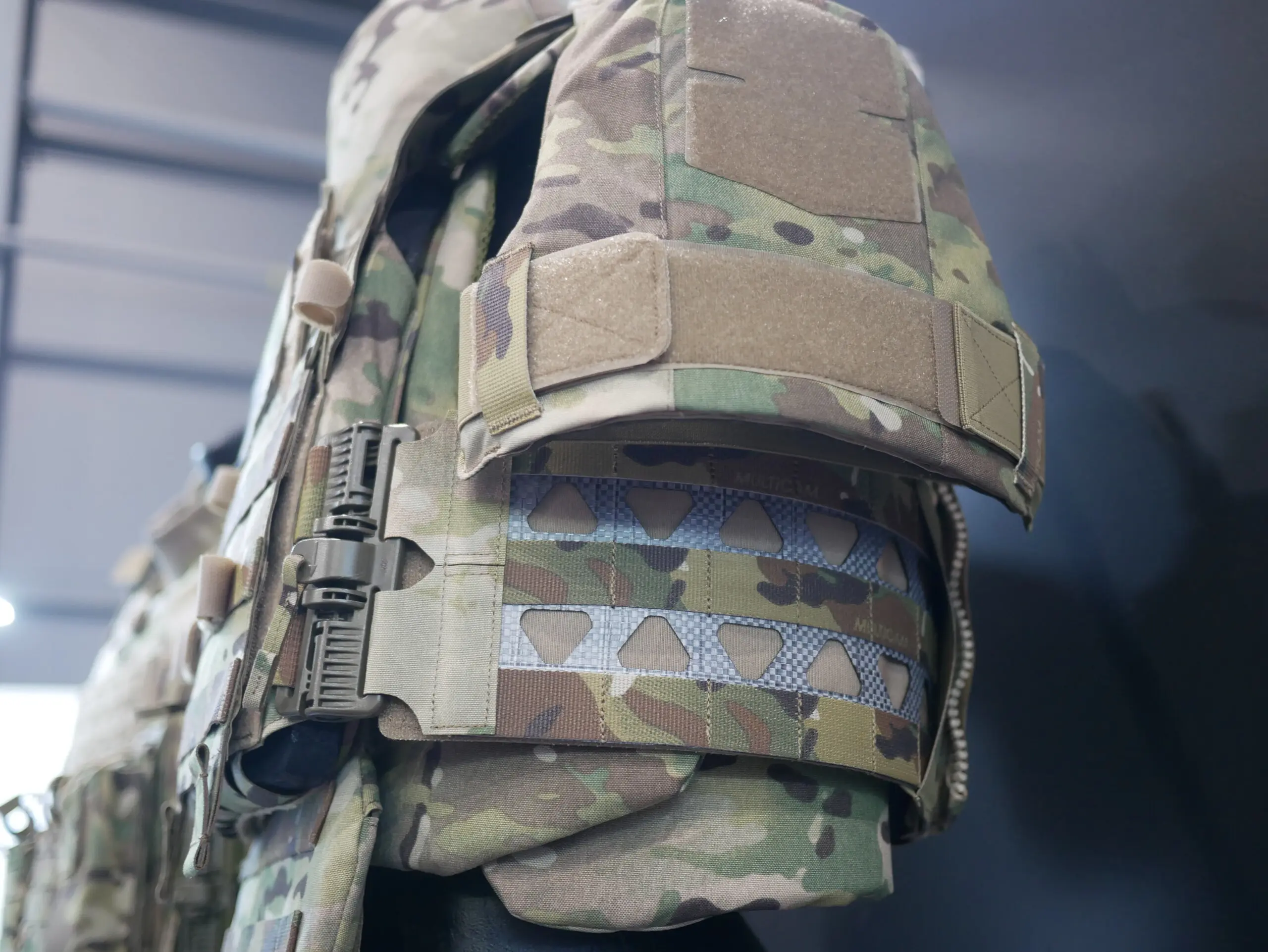
- Modular Quick-Release Plate Carriers: MOLLE-compatible, breathable mesh liners, and adjustable straps for all-day comfort.
- NIJ-Certified Soft Armor: Concealable, flexible designs for law enforcement, with reduced aramid fiber waste.

Modular MOLLE/PALS Load-Carrying Equipment
Modular design boosts durability and reusability—a key selling point for buyers looking to reduce replacement costs amid inflation.
Top High-Growth Products:
- MOLLE-Compatible Tactical Vests: Versatile attachment points for magazines, medical pouches, and hydration systems.
- Combat Belts with Inner Waistbands (IWB): Adjustable, heavy-duty design for load distribution, reducing gear wear.
- Multi-Purpose Tactical Backpacks: Hydration-compatible, MOLLE-integrated, and weather-resistant for outdoor/field use.

Durable, Long-Life Tactical Apparel & Accessories
High oil prices favor “buy-once, use-longer” products. Tactical gear built for extreme durability reduces replacement frequency, a key priority for budget-conscious buyers.
Top High-Growth Products:
- Abrasion-Resistant Nylon Tactical Pants/Shirts: UV-stabilized, water-repellent, and tear-proof.
- Heavy-Duty Tactical Belts & Straps: Reinforced stitching, quick-release hardware, and long wear life.
- Tactical Pouches (Medical, Magazine, Utility): Heavy-duty construction to resist rough field conditions.
Optimized B2B Strategies for Tactical Brands & Buyers
To thrive in a high-oil market, tactical gear brands and B2B buyers need targeted strategies. Below are actionable steps for each stakeholder group.
For Tactical Gear Brands: Mitigate Oil Price Costs
- Lock Raw Material Prices: Sign long-term contracts with nylon/polyester and UHMWPE suppliers to fix costs for 2026 Q2–Q3.
- Optimize Material Usage: Use AI-driven pattern-cutting software to reduce fabric waste by 5–8%.
- Scale Lightweight/Modular Lines: Prioritize lightweight armor and modular systems to lower material costs and meet demand.
- Diversify Supply Chains: Add Southeast Asian/Middle Eastern manufacturing partners to reduce single-region risk.
For Distributors & B2B Buyers: Secure Inventory & Partners
- Pre-Book Inventory: Lock in orders for Q2–Q3 to avoid price hikes from manufacturers.
- Focus on High-Growth Categories: Stock lightweight ballistic plates, MOLLE vests, and durable accessories to drive sales.
- Partner with Resilient Suppliers: Choose brands with in-house production (like Yakeda) to ensure stable lead times and pricing.
- Negotiate Bulk Discounts: Secure volume-based pricing for raw materials and logistics to offset inflation.